In a recent article, I explored the gut-brain axis, diving into how food acts as medicine—not only for mental health but for the entire body. This idea of food as a medical treatment resonates deeply with me. Having battled Idiopathic Pulmonary Hemosiderosis (IPH), an incurable respiratory disease, and later developing GERD, I’ve experienced first-hand how food can either be your saviour or your downfall. My complex relationship with food, particularly gluten and its effect on my health, led me to explore its influence on my mental well-being as well. As you can imagine, there have been some very low times mentally, brought on by my health issues and the incurable nature of them!
I first became intrigued when I stumbled across studies suggesting that saffron could boost the effectiveness of SSRIs (selective serotonin reuptake inhibitors), commonly prescribed for depression. The thought that something as simple as saffron from my spice rack could act as a natural mood enhancer amazed me. So, I started experimenting with my own tea, blending saffron, mullein, cardamom, and chamomile—a recipe designed to tackle both my mental health and lung issues. Even if you have no lung issues, the mental health properties alone are beneficial and, in my eyes, worth the punt of a cup a day!
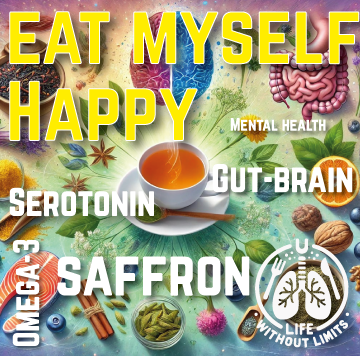
The Remedy, The Birth of My Tea: A Two-Pronged Approach
- Saffron: Studies show that saffron may be as effective as SSRIs in treating mild to moderate depression. Its impact on serotonin levels makes it a natural antidepressant https://academic.oup.com/nutritionreviews/article/77/8/557/5499264
- Mullein: A traditional remedy for lung issues, mullein acts as an anti-inflammatory and expectorant, helping clear mucus from the respiratory tract—something I’ve found invaluable in managing IPH https://www.verywellhealth.com/the-benefits-of-mullein-89575
- Cardamom: Known to open airways and improve breathing, cardamom also has calming effects, which reduce anxiety https://www.simplyandnaturally.com/cardamom-health-benefits-and-uses/
- Chamomile: Famous for its calming and sleep-inducing properties, chamomile also reduces inflammation, which can be helpful for both lung health and mental relaxation
Together, these ingredients created a tea that not only supported my mental health but also alleviated some of my respiratory symptoms. Whether it was the placebo effect or genuine results, I felt better—both physically and mentally.
Gut Health and Mental Health: The Connection
My research led me to understand that gut health and mental health are deeply intertwined. You can take a look at my article (here) for a deep dive into it, but studies have shown that gut dysbiosis (an imbalance of gut bacteria) can contribute to anxiety and depression https://www.ncbi.nlm.nih.gov/pmc/articles/PMC4228144/ This makes sense to me—when I indulged in comfort food, I got a brief dopamine boost but ended up feeling a lot worse for it in the long run. The more I learned about the gut-brain axis, the more I realized that a healthy gut and food were essential to maintaining a healthy mind.
Don’t get me wrong—I’ve had an odd relationship with food. I’ve always loved it, but it nearly killed me by being a main factor in my IPH, leading to mass hemoptysis. With a weakened LES (lower esophageal sphincter) and GERD, it feels like food constantly wants to harm me. I’ve always struggled with my weight, but it took years before I finally understood the connections between it all and the medicinal effects of foods and their special compounds/properties.
Changes
After making changes to my diet to manage GERD, I noticed an improvement in my overall well-being. Foods that were once “prescribed” to help with GERD, like chicken, fish, and broccoli, also had benefits for my brain health. These foods are rich in choline, which is essential for producing acetylcholine, a neurotransmitter that supports memory, learning, and mood regulation https://www.ncbi.nlm.nih.gov/pmc/articles/PMC2782876/
Additionally, fibre-rich foods like brown rice (a staple of my GERD diet) and other whole grains play a crucial role in supporting the gut-brain axis. These foods act as prebiotics, feeding the beneficial gut bacteria that help regulate mood and cognitive function. A healthy gut microbiome produces short-chain fatty acids that reduce inflammation and send positive signals to the brain. By including more fibre in my diet, I was not only supporting my digestion but also fostering better mental health through the gut-brain connection
Choline and Omega-3s: Brain Fuel
Choline is crucial for cognitive health, and foods like chicken, fish, and broccoli are great sources. But choline isn’t the only nutrient supporting brain health. Omega-3 fatty acids, found in salmon, walnuts, and other fatty fish, are known for their ability to reduce inflammation in the brain and promote the growth of new brain cells. This connection to brain health has been backed by numerous studies showing that diets high in omega-3s can help reduce the symptoms of depression.
Even old English folklore supports this! Locally, people used to say that walnuts, which look like a brain, must be good for the brain—and now we know they were onto something
Traditional Diets: They Were Right All Along
As I continued researching, I was drawn to traditional diets like the Mediterranean diet, which focuses on whole grains, fresh vegetables, olive oil, fish, and nuts. Research has shown that people who follow the Mediterranean diet are less likely to experience depression or cognitive decline The diet’s anti-inflammatory and nutrient-dense properties make it ideal for supporting both physical and mental health.
https://www.ncbi.nlm.nih.gov/pmc/articles/PMC2893585/
Additionally, the idea of Blue Zones—regions where people live longer and healthier lives—reinforces the importance of plant-based foods, healthy fats, and fermented foods like kimchi and sauerkraut. These fermented foods, rich in probiotics, balance the gut microbiome and help improve both gut and mental health. I’ve been fascinated by the value of colourful foods, particularly purples and blacks, for their antioxidant properties. Foods like black rice, purple sweet potatoes, blueberries, and red cabbage are rich in active compounds that support overall health.
https://www.mdpi.com/2304-8158/13/7/1088
Exercise and Mental Health: Moving for Happiness
Beyond food, exercise plays a vital role in boosting mood. Exercise releases endorphins, the body’s natural feel-good hormones, which can alleviate stress and anxiety. Even though my lung condition limits my ability to engage in strenuous physical activity, I’ve found that even small amounts of movement, like riding my electric bike or just getting out into the world, can make a significant difference. Studies have shown that being outdoors and surrounded by nature also improves mood and mental clarity
A Personal Takeaway: Eating Myself Happy
Reflecting on my journey, I realize that I’ve unintentionally eaten myself happy. By focusing on foods that support both gut and brain health—like those rich in choline, omega-3s, and probiotics—I’ve seen noticeable improvements in both my physical and mental well-being. Although there have been dark times, and managing GERD and IPH has been challenging, taking control of my diet has made a difference. I’ve experienced first-hand that small changes, like tweaking your diet and adding light exercise, can have profound effects on your mood and overall health
Practical Tips: Here’s What You Can Do
- Unwind the day with a cup of tea made from saffron, chamomile, and cardamom to boost both your mood and respiratory health. Studies show that saffron can have a similar effect to antidepressants, chamomile is renowned for its calming properties, and cardamom helps open airways while reducing anxiety.
- Incorporate choline-rich foods like chicken, fish, and broccoli into your meals to support brain function. Choline plays an essential role in producing acetylcholine, a neurotransmitter crucial for memory and learning.
- Add vibrant and colourful foods, especially those rich in purples and blacks, like black rice, purple sweet potatoes, blueberries, and red cabbage. These foods are packed with antioxidants that help fight inflammation and support cognitive health.
- Include omega-3s in your diet from sources like salmon and walnuts. Omega-3 fatty acids reduce inflammation, protect the brain, and have been linked to reducing symptoms of depression.
- Adopt a Mediterranean diet, but not the version with pizzas and cheesy pasta we often think of! Instead, focus on a traditional Greek diet—think whole grains, fresh vegetables, olive oil, legumes, fish, and nuts. These foods are nutrient-dense and anti-inflammatory, promoting both gut and brain health. It’s the kind of eating that has been linked to lower rates of depression and better cognitive function.
- Try fermented foods like Miso, kimchi or sauerkraut to feed your gut with healthy probiotics. Fermented foods promote a healthy gut microbiome, which can enhance mood and overall mental health.
- Take a short walk or ride a bike, even if it’s just for a few minutes. Get outside and connect with nature—studies have shown that exposure to green spaces and fresh air improves mental health by reducing stress and increasing feelings of well-being.
Looking Back at the Gut-Brain Axis
In my earlier article about the Gut-Brain Axis, I explored how deeply connected our brain is to what we eat. This article continues that journey, focusing on how we can influence our mental health through food and lifestyle choices. If you’re curious about the science behind the gut-brain connection, I encourage you to check out that article
Explore More on Life Without Limits
If you found this article helpful, be sure to explore more on Life Without Limits. Discover my journey through IPH, Celiac Disease, GERD, and more. Check out my other insightful posts on Managing GERD, Celiac Disease Tips, and Health & Wellness Resources. Join me as we navigate the challenges of chronic illness together.




Leave a Reply