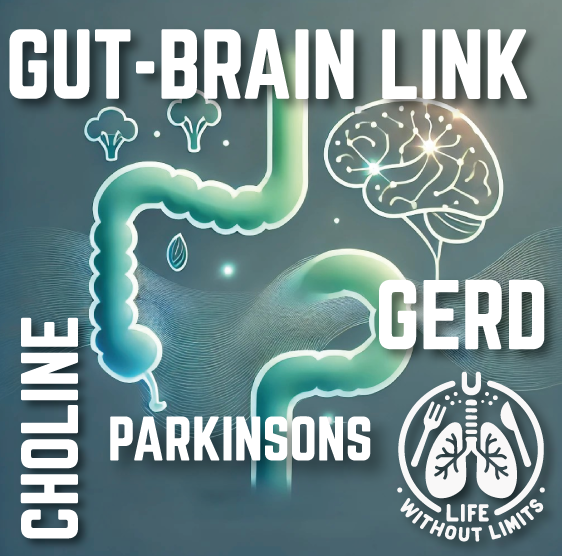
The Gut-Brain Link: How GERD Could Impact Parkinson’s and Cognitive Health
Introduction: Understanding the Connection Between GERD and Brain Health
GERD (Gastroesophageal Reflux Disease) is something I’ve struggled with for years. Like many, I initially thought it was just an annoying digestive issue, manageable through diet and medications like proton pump inhibitors (PPIs). However, recent research has uncovered a deeper, more unsettling connection between GERD, cognitive health, and even neurodegenerative diseases like Parkinson’s. This is not just about heartburn anymore—it’s about how what’s happening in my gut could directly impact my brain.
The Long-Term Effects of GERD: My Personal Concerns
As someone dealing with GERD, it’s scary to think that something so seemingly isolated could have long-term effects on my mental health. I want to explore whether GERD might increase my risk of developing conditions like Parkinson’s or cognitive decline in the future, and more importantly, what steps I can take now to prevent that.
The Gut-Brain Axis: How GERD Affects Brain Function
A 2023 study published in Molecular Psychiatry made me rethink my condition. The study explored how the gut-brain axis—an intricate communication network between the gut and the brain—affects more than just digestion. Researchers found that disruptions in the gut, such as those caused by GERD, could trigger inflammatory responses that reach the brain. This inflammation may play a role in neurodegenerative diseases, including Parkinson’s.
PPIs and Their Long-Term Effects
As someone who takes PPIs daily to manage GERD, I can’t help but worry about the long-term effects. PPIs, while for me are absolutely essential, alter the gut microbiome. Combined with other medications I take for IPH (Idiopathic Pulmonary Hemosiderosis) and high blood pressure, I often wonder, “Am I unknowingly increasing my risk for something worse down the line?”
Why Proactive Health Management is Essential
Unfortunately, my experience with healthcare professionals hasn’t been particularly reassuring. While regular monitoring is essential, I’ve found that the guidance I receive varies heavily depending on the doctor. With GERD, I’ve often felt that the support stops at prescribing PPIs. No substantial advice on diet, lifestyle, or alternative therapies. Ideally, the NHS should offer more holistic treatment options, considering the growing research linking GERD to broader health risks.
For readers in the UK, the NHS has resources on GERD:
URL: https://www.nhs.uk/conditions/heartburn-and-acid-reflux/
Choline: A Key Nutrient in Gut and Brain Health
As I dug deeper into the gut-brain connection, I noticed one nutrient kept popping up: choline. Choline is essential for producing acetylcholine, a neurotransmitter critical for memory and learning, as well as for muscle control and regulating mood. Acetylcholine plays a key role in brain plasticity, allowing neurons to form new connections, which is crucial for cognitive resilience as we age. Additionally, choline helps maintain the integrity of the gut lining, which is essential for preventing “leaky gut,” a condition linked to both gut inflammation and cognitive decline.
How Choline Relates to GERD and Brain Health
For those of us managing GERD, getting enough choline can be tricky. Foods rich in choline, such as eggs, are known triggers for reflux. However, choline is too important to ignore, especially since it supports both gut and brain health by reducing inflammation, improving neurotransmitter function, and maintaining the integrity of the gut barrier. Thankfully, GERD-friendly alternatives like chicken, fish, and broccoli provide this vital nutrient without exacerbating symptoms. Additionally, pairing these choline-rich foods with healthy oils and fats, such as avocado or olive oil, can slightly enhance the absorption of fat-soluble forms of choline (like phosphatidylcholine).
Top 5 Choline-Rich Foods:
- Chicken – Gentle on GERD and packed with choline.
- Fish (Salmon, Cod) – Rich in both choline and Omega-3s for cognitive support.
- Broccoli – A GERD-friendly source of choline.
- Brussels Sprouts – Another great vegetable packed with choline.
- Almonds – High in choline and healthy fats for brain function.
Omega-3s: Protecting the Brain
While choline is critical, Omega-3s play an equally important role in supporting brain health. Omega-3 fatty acids, commonly found in fish like salmon and sardines, are known for their anti-inflammatory properties. They protect the brain from oxidative stress and promote the development of brain cells, which is vital in reducing the risk of cognitive decline. Incorporating Omega-3-rich foods can significantly improve both gut and brain health.
Omega-3-Rich Foods:
- Salmon – Rich in Omega-3s and gentle on GERD.
- Mackerel – Another great source of Omega-3s, but ensure it’s consumed in moderation to avoid reflux.
- Walnuts – High in Omega-3s and GERD-friendly.
The Link Between GERD, Parkinson’s, and Depression
Research has shown that gut dysbiosis—an imbalance in gut bacteria—may contribute to the onset of neurodegenerative diseases like Parkinson’s. One study suggested that gut inflammation could trigger the aggregation of alpha-synuclein, a protein associated with Parkinson’s disease. This discovery made me wonder if my gut problems today could lead to brain issues tomorrow.
The Role of Stress in Managing GERD and Cognitive Health
Managing stress has been a game-changer for me. I’ve recently built an electric bike, and riding it has been one of my most effective stress-relievers. Exercise, even a small amount of light physical activity like walking, reduces inflammation, improves mood, and promotes a healthier gut microbiome. These factors help alleviate GERD symptoms and protect cognitive health.
Psychobiotics: How Gut Bacteria Support Mental Health
The idea of “psychobiotics” has gained a lot of attention in recent years as research continues to reveal the profound influence of gut bacteria on the brain. Psychobiotics are probiotics and prebiotics that have been shown to produce mental health benefits by influencing the gut-brain axis. These bacteria can produce neurotransmitters like serotonin and dopamine, which regulate mood and emotional well-being.
For GERD sufferers, incorporating psychobiotics into the diet could be an effective way to not only manage gut health but also improve mood and cognitive function. The balance of gut bacteria is especially important for preventing dysbiosis, which is linked to both mood disorders like anxiety and depression, and physical conditions like GERD.
Top 5 Psychobiotic Foods:
- Sauerkraut – Fermented cabbage that’s great for gut-brain communication.
- Kimchi – Packed with probiotics to support mental health.
- Dairy-Free Kefir – Available in coconut or water-based versions, supporting the gut microbiome.
- Tempeh – Fermented soybeans that help balance gut bacteria.
- Miso – Fermented soy that may help with mood regulation.
Studies funded by the Michael J. Fox Foundation show that dietary interventions—like increasing fiber or resistant starch—may help rebuild the gut microbiome and decrease inflammation in people with Parkinson’s. This could not only improve symptoms but also slow disease progression.
Source: Dietary Interventions to Slow Parkinson’s Symptoms
Alternatives and Proactive Approaches
Many GERD sufferers might be seeking additional treatments beyond dietary adjustments and PPIs. While PPIs are often necessary, there are ways to support gut health and reduce their long-term impact. Probiotics and prebiotic supplements are one such solution. They can help restore balance in the gut microbiome and reduce inflammation. Other GERD-friendly supplements like slippery elm and aloe vera juice are known for soothing the gut lining.
In addition, you could work with a healthcare provider or a nutritionist to explore further options like digestive enzymes to support better digestion or low-FODMAP diets tailored to your individual needs. Taking proactive steps, whether it’s through diet, probiotics, or lifestyle adjustments, can help prevent the worsening of GERD symptoms while supporting overall brain health.
Anything you do is better than doing nothing.
Proton Pump Inhibitors (PPIs): How They Impact Gut-Brain Health
PPIs, while necessary for GERD management, may also affect the gut microbiome and reduce nutrient absorption, including choline. This makes me question the long-term impact of my medication. Can I offset this through diet? Research suggests that incorporating psychobiotics, antioxidants, and anti-inflammatory foods may help mitigate some of the negative effects of PPIs on the gut-brain connection.
Conclusion: A Path Forward for Managing GERD and Protecting Brain Health
GERD has become more than just a digestive issue for me—it’s opened my eyes to the complex relationship between my gut and brain. By managing GERD with a nutrient-rich diet, stress reduction, and regular exercise, I’m hoping to stave off cognitive decline and reduce my risk of neurodegenerative diseases.
It’s a scary thought that something as “simple” as GERD could have long-term consequences for my mental health. But by taking proactive steps today—whether it’s focusing on choline, adding psychobiotics to my diet, or just getting outside for a walk—I’m giving myself the best shot at protecting both my gut and my brain.
Here’s What I’m Doing Moving Forward
One of the best steps I can take is to actively is to include more gut- and brain-friendly foods in my diet. From now on, I’ll be eating more choline-rich foods like chicken, fish, and broccoli, as well as incorporating psychobiotics like sauerkraut and miso to support my gut health. Simple changes like these can have a big impact on maintaining the balance in my gut and protecting my brain for the long term. Taking these steps gives me a proactive way to manage GERD while also looking after my cognitive health.
Thank you for reading!
Cheers, Jon
Explore More on Life Without Limits
If you found this article helpful, be sure to explore more on Life Without Limits. Discover my journey through IPH, Celiac Disease, GERD, and more. Check out my other insightful posts on Managing GERD, Celiac Disease Tips, and Health & Wellness Resources. Join me as we navigate the challenges of chronic illness together.




Leave a Reply